Most people who consider preventive imaging are not sick. They are not managing pain. They are not responding to abnormal test results. They are simply thinking ahead.
That difference changes the entire tone of the decision. It feels less urgent and more intentional. Less about fear, more about clarity.
Information presented through a preventive health website often frames advanced scans this way. Not as a reaction. As preparation. And preparation feels steadier.
Why waiting is no longer the only strategy
Traditional care usually starts after a signal appears. A symptom. A discomfort. A lab value outside the normal range.
But some structural changes inside the body do not create early warnings. They develop quietly. Slowly.
That possibility makes certain people uncomfortable with the idea of waiting.
Not everyone, of course. Many are comfortable with routine exams alone. But others prefer to reduce the unknown before it becomes louder.
So they choose to look earlier.
What the scan actually involves
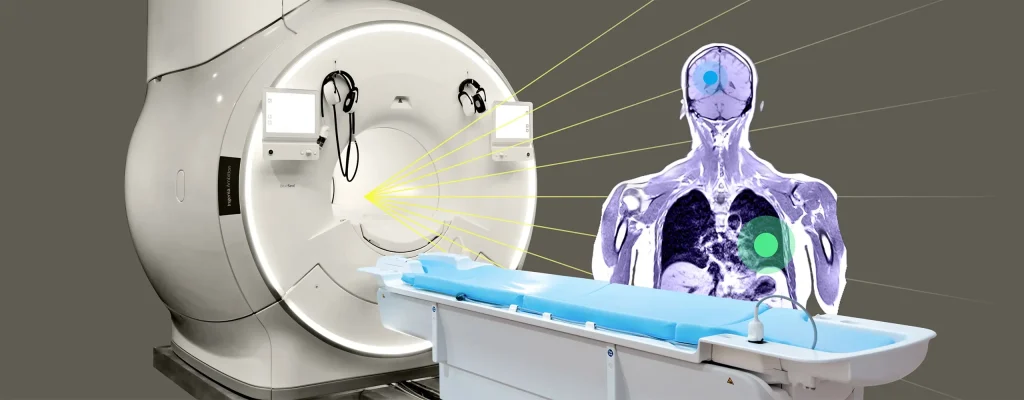
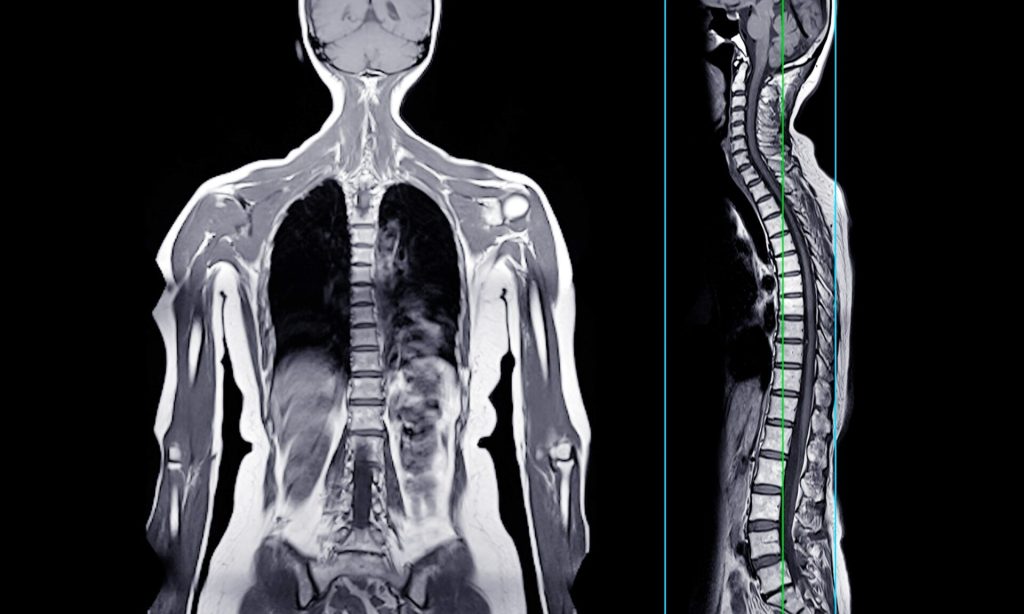
A full body MRI uses magnetic fields to create detailed images of organs and tissues. No radiation. No surgical steps.
You lie still inside the scanner. It hums and clicks. The process takes time and patience.
It can feel unfamiliar at first. The enclosed space is not for everyone. Some adjust quickly. Others need a moment.
But once complete, there is no recovery period. The day continues normally.
And then comes the review.
The part that matters most
The images themselves are only data. Interpretation gives them meaning.
Medical professionals examine the results carefully. They assess whether structures appear stable or whether something unusual requires follow up.
Many scans show no serious concerns. That reassurance often brings a deeper sense of calm than people expect.
Sometimes minor findings appear. A small cyst. A structural variation. Not always urgent. Often manageable.
Occasionally something more significant is detected. In those moments, early awareness provides time to evaluate options thoughtfully. Time changes decisions.
Preventive imaging does not replace routine medical care. It adds perspective. Explanations on a trusted website usually comes before any appointment is scheduled. People want to understand what they are choosing and why.
That step alone shows how proactive the mindset has become.
A quieter form of control
Taking control of health does not always mean dramatic change. It can be subtle.
It can mean asking questions before problems appear. It can mean looking for information even when everything feels fine.
Not everyone will choose advanced imaging. And that is reasonable.
But for those who do, the decision is rarely impulsive. It is measured. Thought through.
Sometimes control begins with curiosity. And curiosity, when guided carefully, leads to clearer choices.